Page 5 of 6
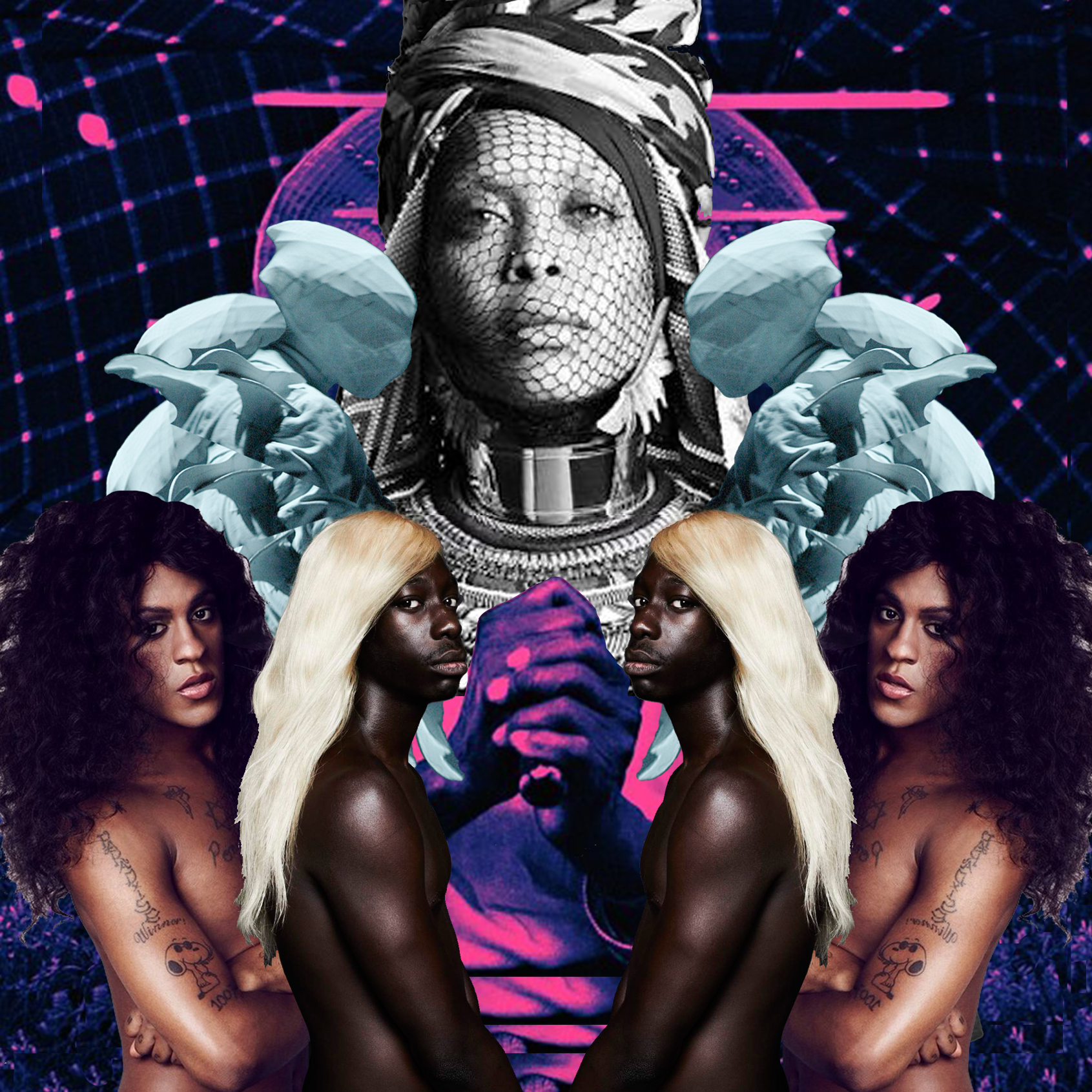
In ‘The Shadows Took Shape’ exhibition catalog essay, Alondra Nelson wrote that “in the zeal for a liberatory detour, Afrofuturism [has come] to be more likely embodied by Sun Ra, George Clinton, Jean-Michel Basquiat, Ralph Ellison, and ‘The Brother from Another Planet’” than by women like LaBelle, Ellen Gallagher, Laila Ali, Jewelle Gomez, and Nyota Uhura. [While] queerness (in the broadest sense) of past-future visionaries such as Samuel R. Delany, Octavia E. Butler, and Nalo Hopkinson too often goes unappreciated as a central feature of black futurist aesthetics.

After he gave us his view on “What stands beyond Afrofuturism?”(2/4) Mark Dery urges us not to forget that the core essence of Afrofuturism was of a constant combat by all means, of a black community seeing itself denied any technological ability (3/4).
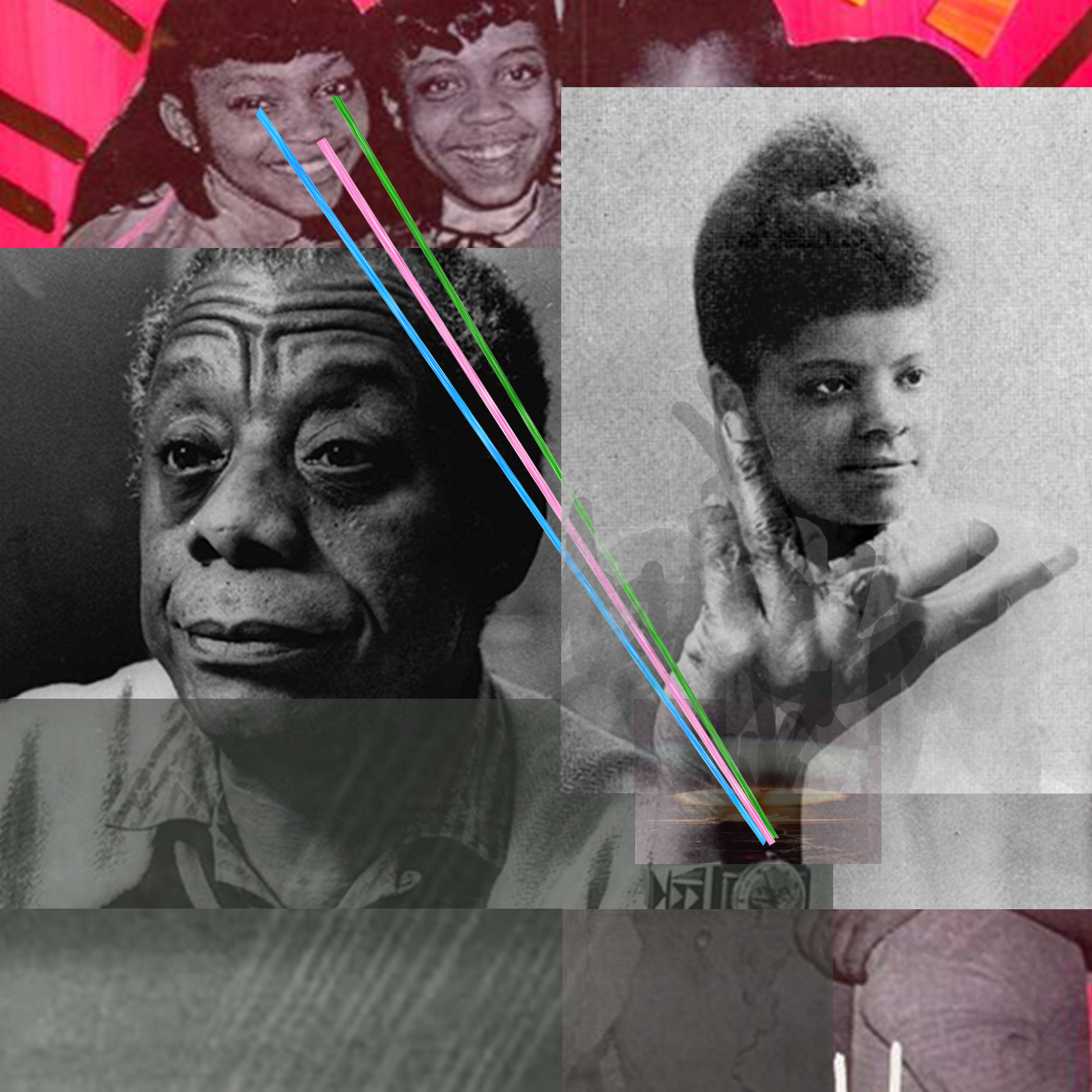
“For better or for worse, I am often spoken of as the first African-American science fiction writer. But [among] the ranks of what is often referred to as proto-science fiction, there are a number of black writers. [M. P. Shiel, Martin Delany, Sutton E. Griggs, Edward Johnson…] I believe I first heard Harlan Ellison make the point that we know of dozens upon dozens of early pulp writers only as names […] we simply have no way of knowing [how many] were not blacks, Hispanics, women, native Americans, Asians, or whatever. Writing is like that.” Samuel R. Delany

Afrofuturism is said to be an art and litterature movement. But is it way more : it is a paradigm, an ‘alter’ representation of the world. Not only does it challenge one of the founding principles of our modern societies organization – time -, but it also puts in doubts the very essence of what we are ‘per se’ – human beings.
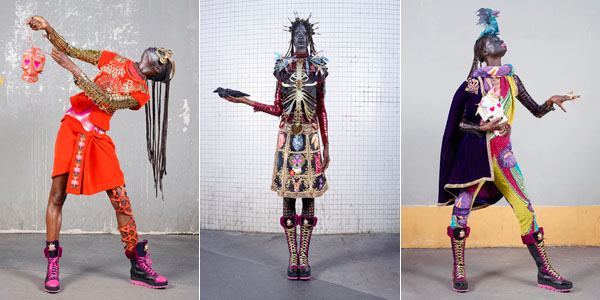
There’s an ambiguity about afrofuturism no one seems to mention : what does the “afro” part of it refers to ? Everyone agrees on the fact that Afrofuturism rests upon a science-fictional representation of the world, from an afro point of view. But what is an afro-view ?
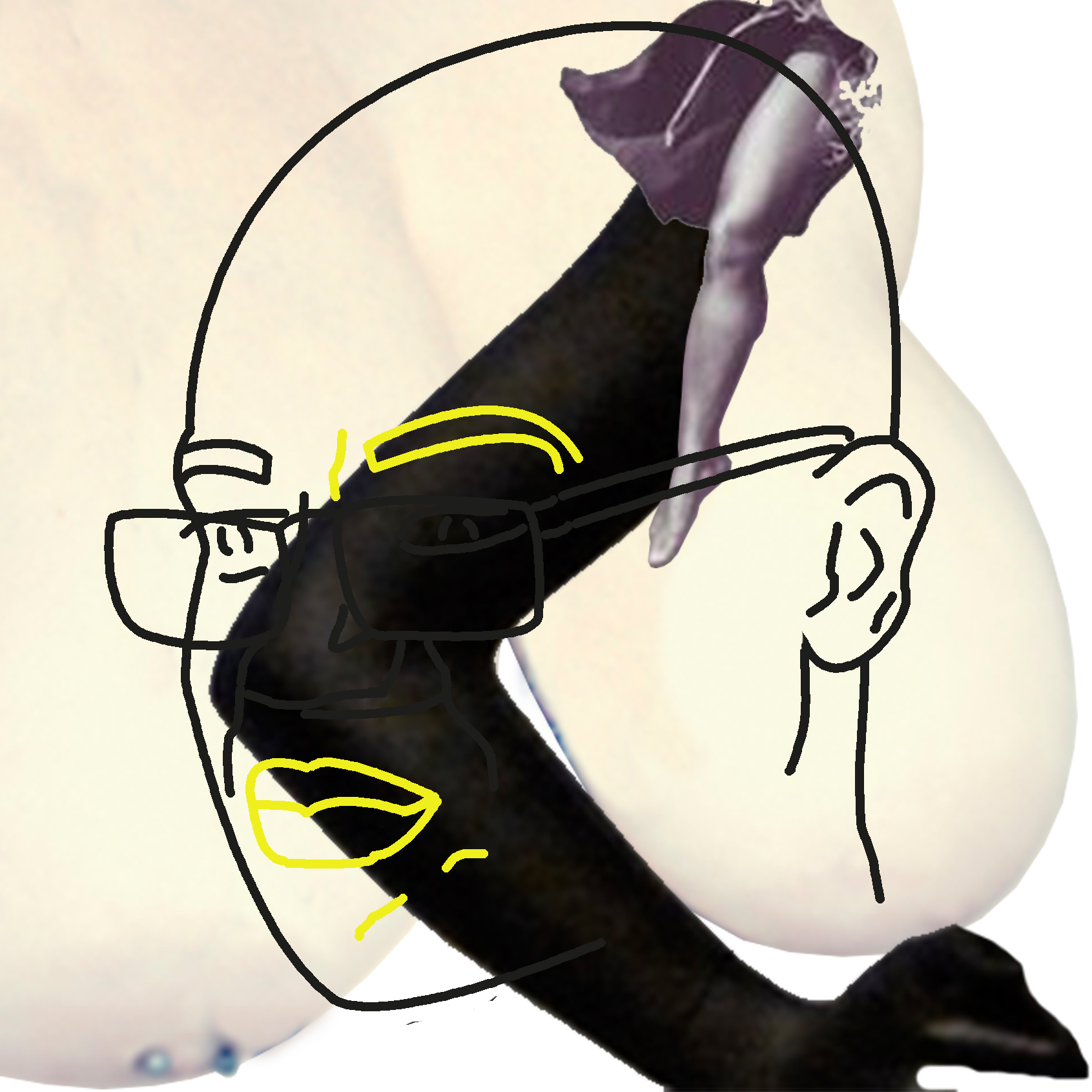
Alva Bernadine is a mysterious photographer for some, a fetichist for others… The artist from Grenada broke the feminine figure that we usually see in art and made his way into pop culture. Artists like Azealia Banks copy his work in her video «Yung Rapunxel »
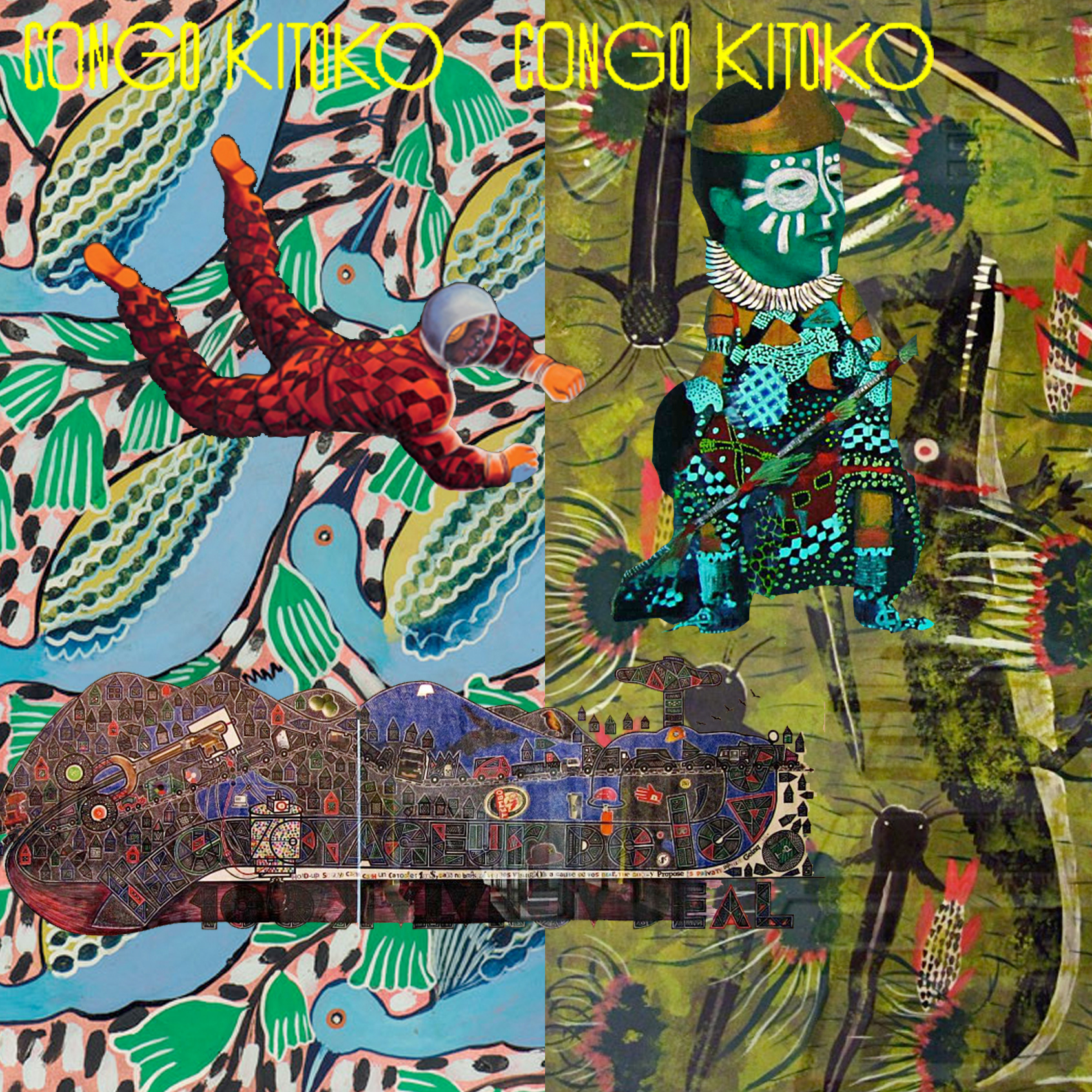
“We like to think that nothing happened between classic art and post-independence modern art.” Contemporary creations as rarely seen in an exhibition, where music, sculpture, photography and comic books honor modern painting made in DRC, with Chief Commissioner André Magnin.
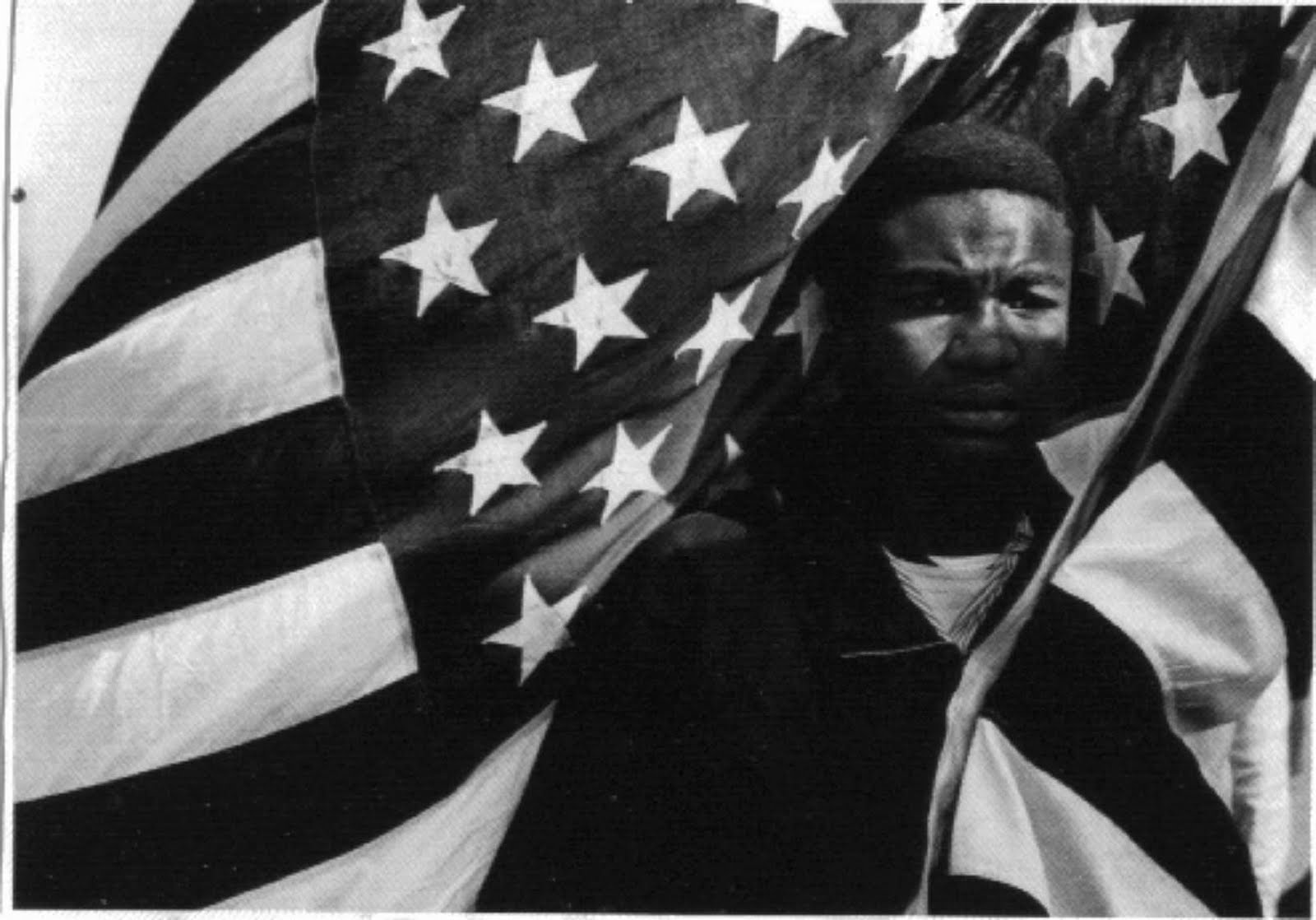
Last month, we drew a portrait of Mark Dery, who, among MANY things, first coined the term Afrofuturism. But what we haven’t shared with you is his “What stands beyond Afrofuturism?”, at a time showing the limits of an embedded status-quo denouncing obvious discriminations but oblivious of insidious systemic forms.
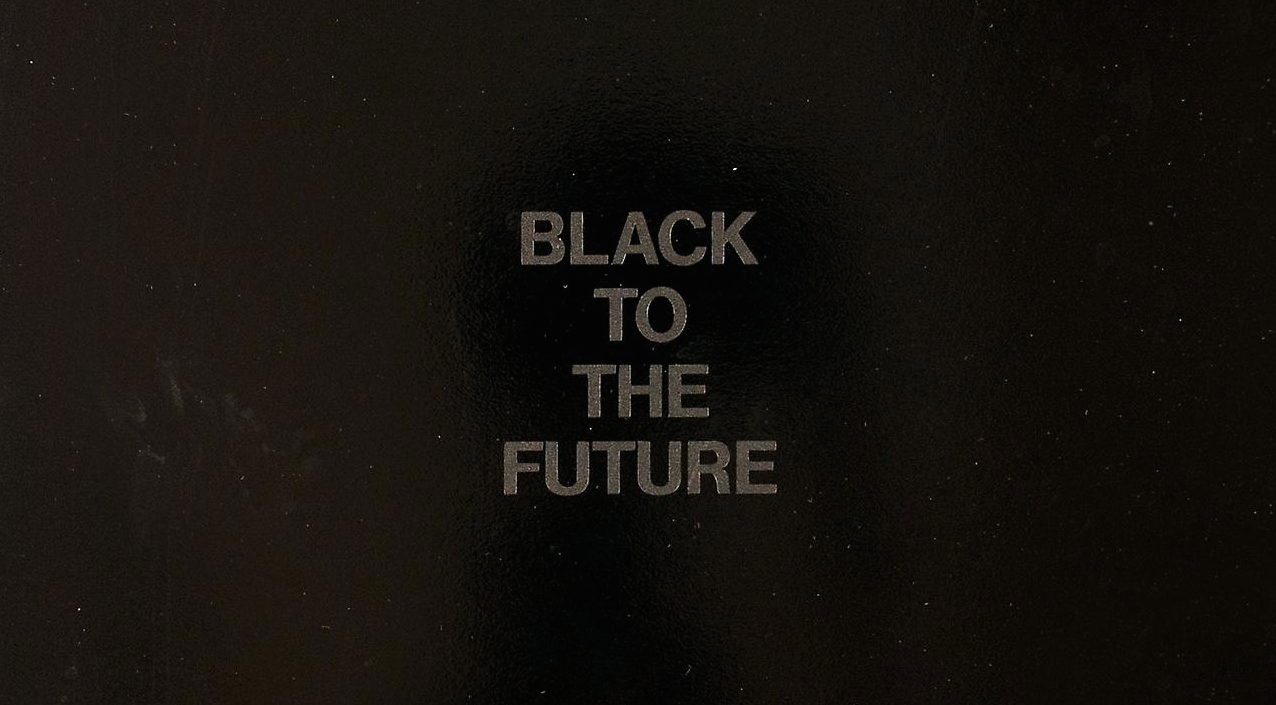
Critic, essayist, book author, lecturer, journalist, Newyorker…, Mark Dery has surely been a trend observer – and eventually whistle blower – of urban life and techno culture for the past twenty years. We also owe him the term afrofuturism, which he first coined in an article entitled “Black to the future” (named after alternative hip hop musician and rapper Def Jef’s track).
Nous avons besoin de VOUS !
Black(s) to the Future needs YOU !
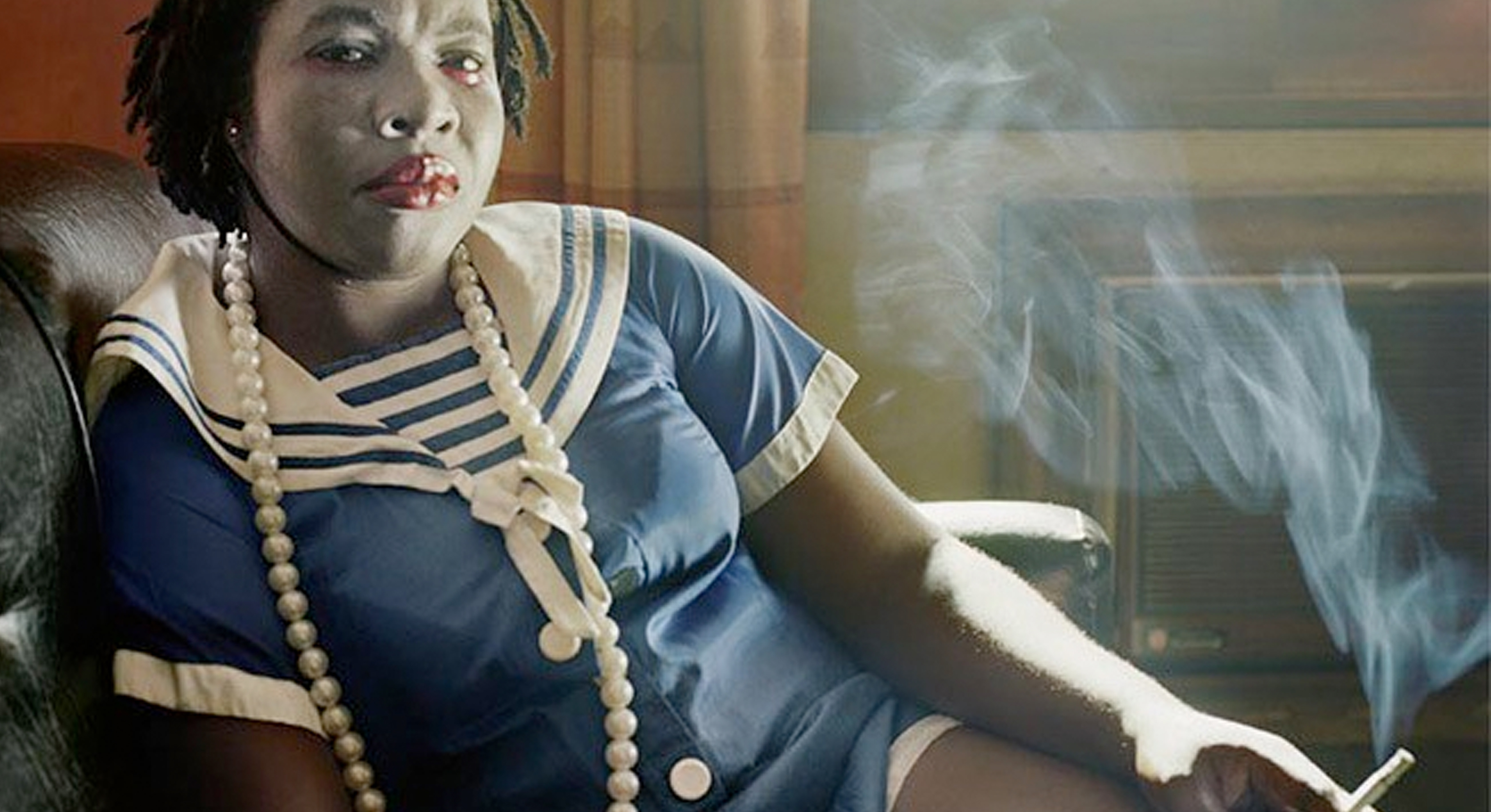
From last 4 to 7 June, Paris hosted the third edition of the Nigerian Film Festival, the Nollywood Week Film Festival. An opportunity to return to a phenomenon that has propelled the most populous country in Africa on center stage, alongside the Bollywoodian outsider and the overwhelming Hollywood machine. How did Nigeria emerge within the Top 3, despite a substantial lack of resources which have long played against it? Can the advent of a new “Nollywood”, more structured, reverse the trend in cinematography for the coming years?