Author: Mawena YehouessiPage 2 of 2
Diplomée de Philosophie puis Gestion de Projets Culturels, Mawena fait ses premières armes dans les milieux de l’art contemporain tout en menant de front divers projets : soirées, édition, collectifs artistiques… Fondatrice et directrice de Black(s) to the Future, son objectif est simple : mettre en lumière la part « afro » du monde et performer le futur. | www.mawenayehouessi.fr // @ma.wena
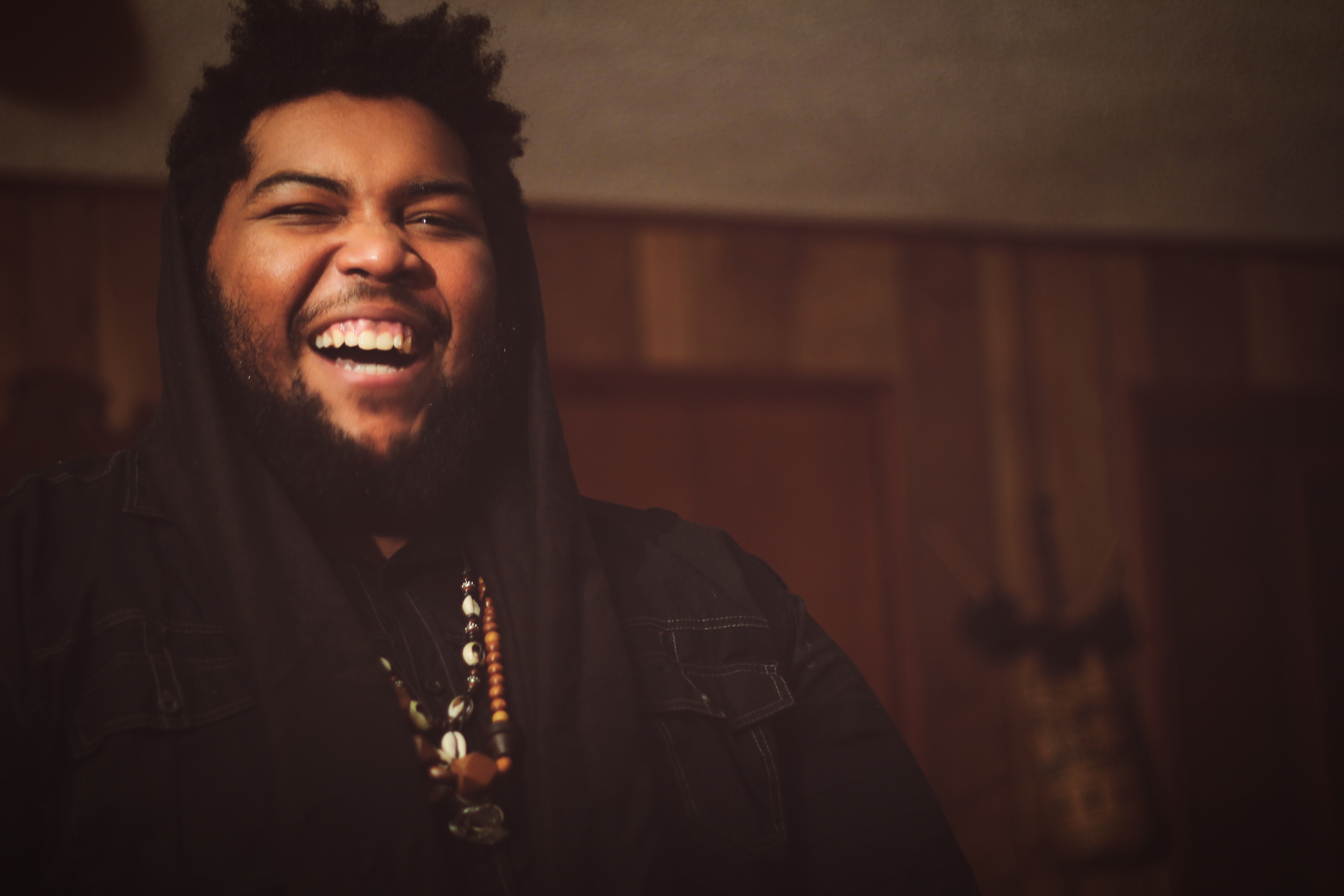
“My interest in collage really came to be when I immersed myself in studying alchemy. The idea of taking prima materia and transmuting it into something brand new grabbed me. I was always captivated by the collage aesthetic, and it was a natural talent for me. What really moved me was the lack of black faces and bodies in this particular expression. ” Krigga

“Nowadays deep seated issues of race, class, slavery etc. are mashing up with modern life and expectations of what life should be […] it’s refreshing 2 imagine a future where Afro culture/style exists in highest beauty without always connecting it to a painful past” Quoting tweets by @stormsaulter — “The imagination spurs creativity and scientific inquiry alike #afrofuturism […] triggers the imagination & helps many see beyond convention.” Quoting tweets by @ytashawomack.
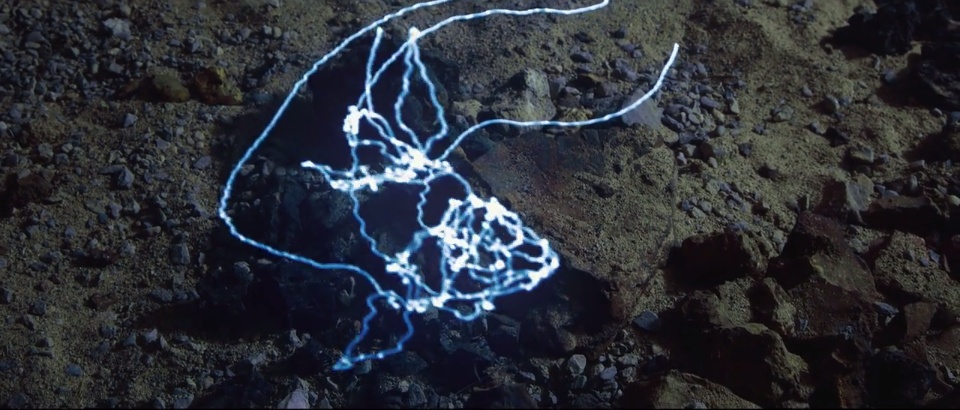
Following a not-that-unlikely-anymore forecast; the new promises of nanotechnologies and Artificial Intelligence appear to make the threat of Human disappearance bound to happen. This said, the announcements made from transhumanists to Singularity upholder should be more than urgently put through a critical riddle…
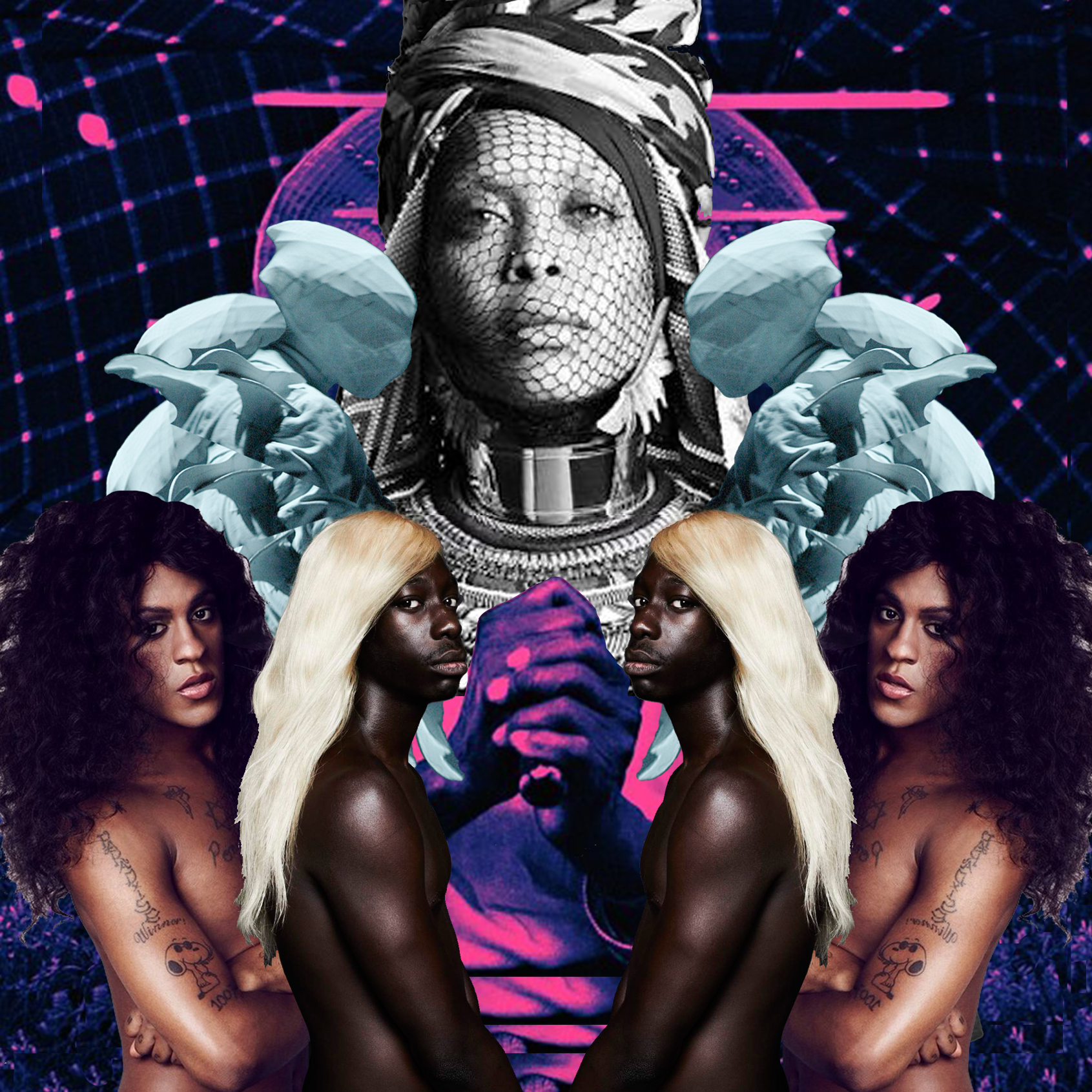
In ‘The Shadows Took Shape’ exhibition catalog essay, Alondra Nelson wrote that “in the zeal for a liberatory detour, Afrofuturism [has come] to be more likely embodied by Sun Ra, George Clinton, Jean-Michel Basquiat, Ralph Ellison, and ‘The Brother from Another Planet’” than by women like LaBelle, Ellen Gallagher, Laila Ali, Jewelle Gomez, and Nyota Uhura. [While] queerness (in the broadest sense) of past-future visionaries such as Samuel R. Delany, Octavia E. Butler, and Nalo Hopkinson too often goes unappreciated as a central feature of black futurist aesthetics.

After he gave us his view on “What stands beyond Afrofuturism?”(2/4) Mark Dery urges us not to forget that the core essence of Afrofuturism was of a constant combat by all means, of a black community seeing itself denied any technological ability (3/4).
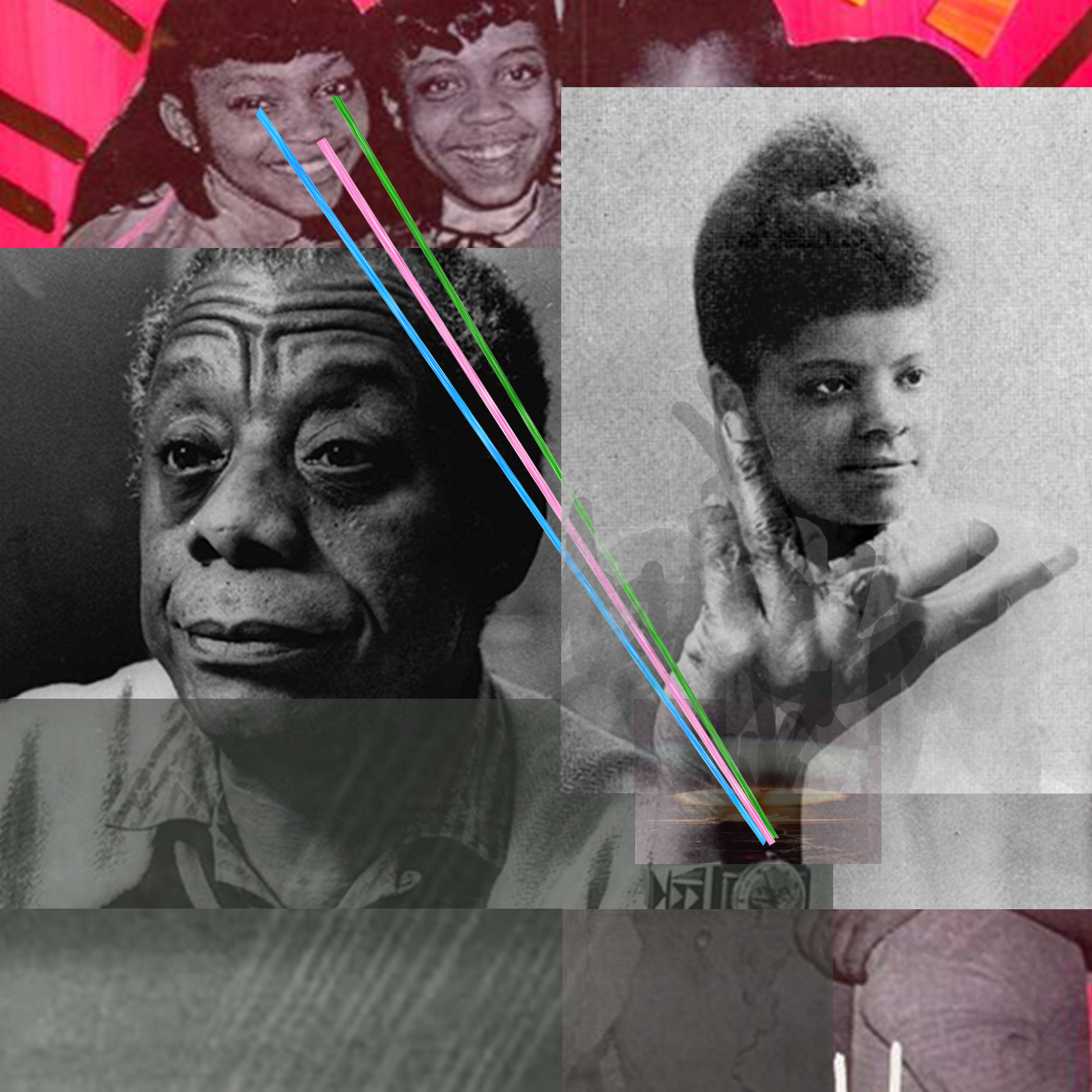
“For better or for worse, I am often spoken of as the first African-American science fiction writer. But [among] the ranks of what is often referred to as proto-science fiction, there are a number of black writers. [M. P. Shiel, Martin Delany, Sutton E. Griggs, Edward Johnson…] I believe I first heard Harlan Ellison make the point that we know of dozens upon dozens of early pulp writers only as names […] we simply have no way of knowing [how many] were not blacks, Hispanics, women, native Americans, Asians, or whatever. Writing is like that.” Samuel R. Delany

Afrofuturism is said to be an art and litterature movement. But is it way more : it is a paradigm, an ‘alter’ representation of the world. Not only does it challenge one of the founding principles of our modern societies organization – time -, but it also puts in doubts the very essence of what we are ‘per se’ – human beings.
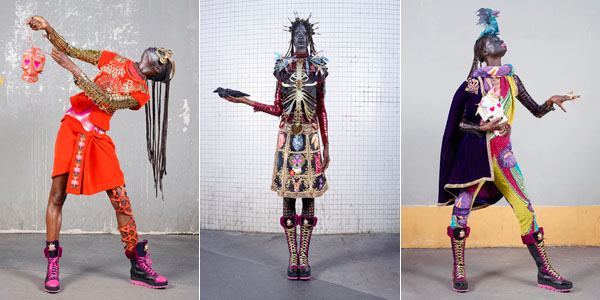
There’s an ambiguity about afrofuturism no one seems to mention : what does the “afro” part of it refers to ? Everyone agrees on the fact that Afrofuturism rests upon a science-fictional representation of the world, from an afro point of view. But what is an afro-view ?
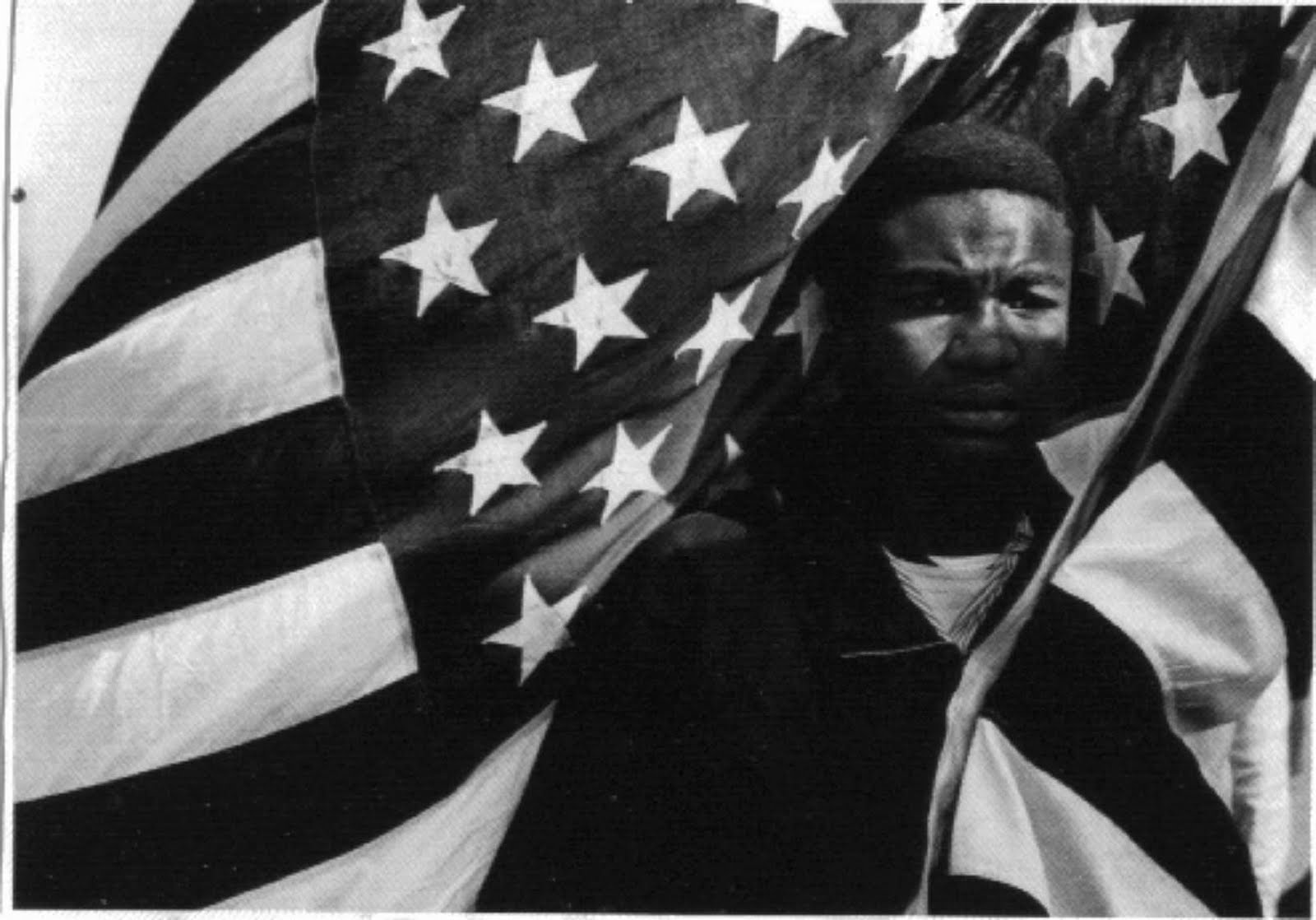
Last month, we drew a portrait of Mark Dery, who, among MANY things, first coined the term Afrofuturism. But what we haven’t shared with you is his “What stands beyond Afrofuturism?”, at a time showing the limits of an embedded status-quo denouncing obvious discriminations but oblivious of insidious systemic forms.
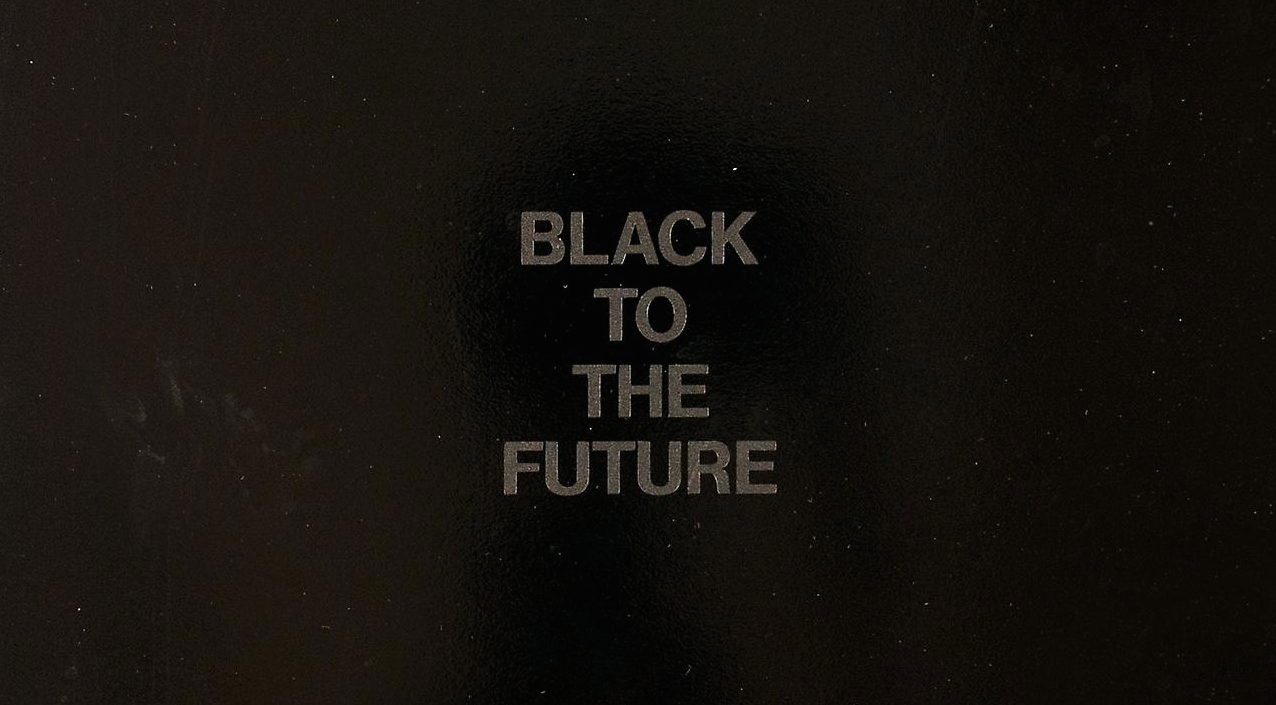
Critic, essayist, book author, lecturer, journalist, Newyorker…, Mark Dery has surely been a trend observer – and eventually whistle blower – of urban life and techno culture for the past twenty years. We also owe him the term afrofuturism, which he first coined in an article entitled “Black to the future” (named after alternative hip hop musician and rapper Def Jef’s track).